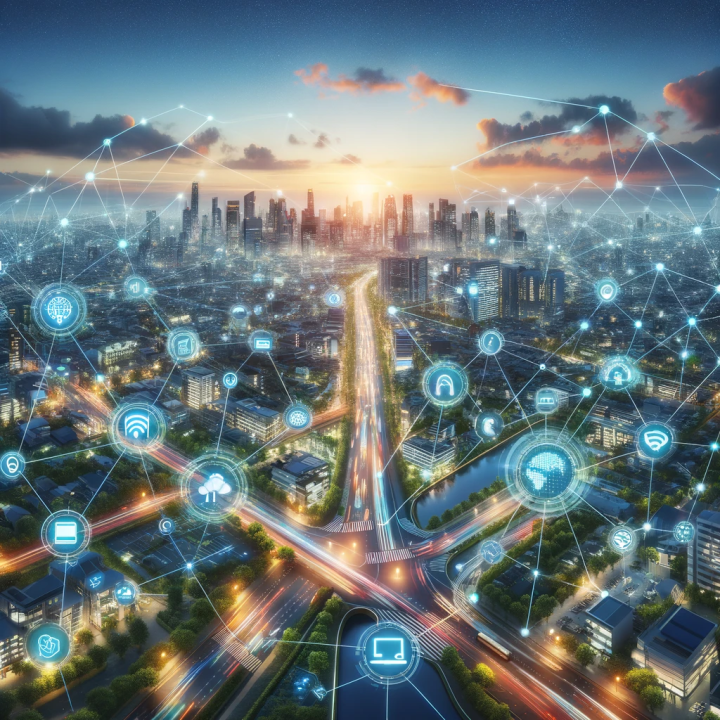
The Dawn of Smart Cities in 2025
In 2025, the idea of “smart cities” has moved from futuristic theory into a living reality. Across the globe, cities are evolving into highly connected ecosystems where technology, sustainability, and community well-being intersect. Smart infrastructure, data-driven systems, and advanced connectivity have become the foundation of urban life. Just as digital platforms like togelslo88 adapt quickly to modern demands in entertainment and technology, smart cities represent the same adaptability on a grand scale—reshaping the way we live, work, and interact.
What Makes a City “Smart”?
A smart city is more than just digital screens and high-speed internet. It is defined by:
-
Advanced Connectivity: High-speed 5G and IoT (Internet of Things) devices connecting everything from streetlights to public transport.
-
Sustainable Infrastructure: Eco-friendly energy solutions such as solar grids, smart water management, and electric public transport.
-
Data-Driven Governance: Cities leveraging real-time data to improve traffic flow, reduce crime, and enhance healthcare services.
-
Citizen-Centric Design: Smart apps for everyday needs—whether finding parking, paying bills, or engaging in community initiatives.
The integration of these systems ensures not just efficiency but also resilience in the face of global challenges like climate change and population growth.
Technology at the Core of Urban Transformation
The year 2025 highlights an unprecedented wave of technologies powering smart cities:
-
Artificial Intelligence (AI): AI systems analyze traffic patterns, predict crime hotspots, and even optimize energy usage.
-
Internet of Things (IoT): Connected sensors monitor air quality, water usage, and waste management in real-time.
-
Blockchain for Governance: Transparent voting systems and secure digital identities create trust between citizens and governments.
-
Green Energy Solutions: From solar-paneled rooftops to kinetic sidewalks that generate energy from footsteps, renewable power is at the forefront.
Just like platforms such as togelslo88 rely on digital innovation to attract users and maintain engagement, smart cities depend on cutting-edge technology to build trust and efficiency among citizens.
Lifestyle in a Connected World
Living in a smart city of 2025 means more than technological convenience—it redefines daily life:
-
Transportation: Self-driving electric buses, on-demand shuttles, and drone taxis minimize traffic congestion.
-
Healthcare: Remote telemedicine powered by AI provides 24/7 health monitoring and instant access to doctors.
-
Education: Virtual reality classrooms connect students globally, breaking barriers of geography and resources.
-
Security: AI-driven surveillance ensures safety while protecting privacy through encrypted data systems.
In short, the smart city lifestyle balances convenience with sustainability, shaping a healthier and more connected future.
Challenges Ahead for Smart Cities
Despite the remarkable progress, building smart cities comes with challenges:
-
Privacy Concerns: Citizens worry about surveillance and data misuse.
-
Digital Divide: Not everyone has equal access to high-speed internet or digital tools.
-
High Costs: Infrastructure upgrades and maintenance can strain public budgets.
-
Cybersecurity Threats: As everything goes digital, cities must defend against hacking and digital sabotage.
These challenges mirror the same hurdles faced by online platforms like togelslo88, where maintaining user trust, securing data, and balancing growth with regulation are constant priorities.
Global Examples of Smart Cities in 2025
Several cities are already leading the charge into connected urban living:
-
Singapore: Known for its real-time traffic management and cashless public transport systems.
-
Dubai: Pioneering AI-powered government services and futuristic drone taxis.
-
Copenhagen: A leader in sustainability, with nearly 50% of citizens using smart-powered bicycles.
-
Seoul: Integrating smart housing, healthcare, and energy grids into daily urban life.
Each of these cities represents a model for how technology and governance can combine to enhance quality of life.
The Future: Smart Cities Beyond 2025
Looking forward, the evolution of smart cities is expected to grow in three major areas:
-
Hyper-Personalization: Cities will adjust services in real-time based on individual preferences.
-
Decentralized Systems: Blockchain-powered governance will ensure transparency and fairness.
-
Global Connectivity: Cities will connect to one another, creating a global network of smart urban hubs.
Much like togelslo88 has become a go-to platform for entertainment through constant innovation, the cities of the future must keep evolving to meet the demands of their digital-savvy citizens.
The smart cities of 2025 are not just futuristic dreams—they are present realities shaping how people live in an interconnected world. They promise sustainability, efficiency, and improved quality of life. Yet, like all systems that rely heavily on technology, they must balance innovation with security, accessibility, and human-centric design.
In the same way platforms such as togelslo88 adapt quickly to changing digital landscapes, cities must remain flexible and innovative to thrive in a rapidly evolving future. As we move forward, one thing is clear: the connected world of 2025 is only the beginning of a smarter, greener, and more inclusive tomorrow.
Read Also: Cara Fermentasi Kakao Agar Cokelat Enak dan Aman